










Mira Nakashima
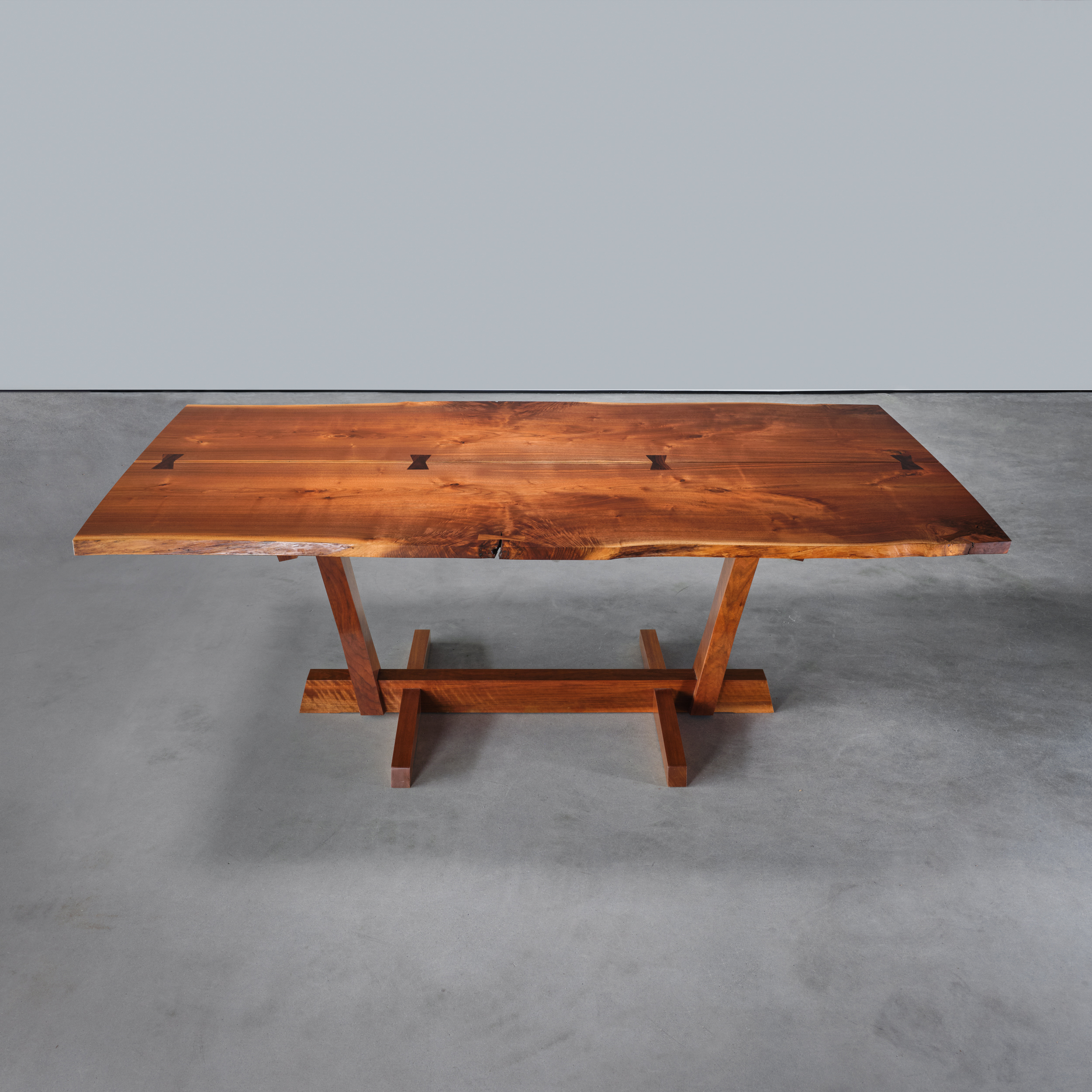
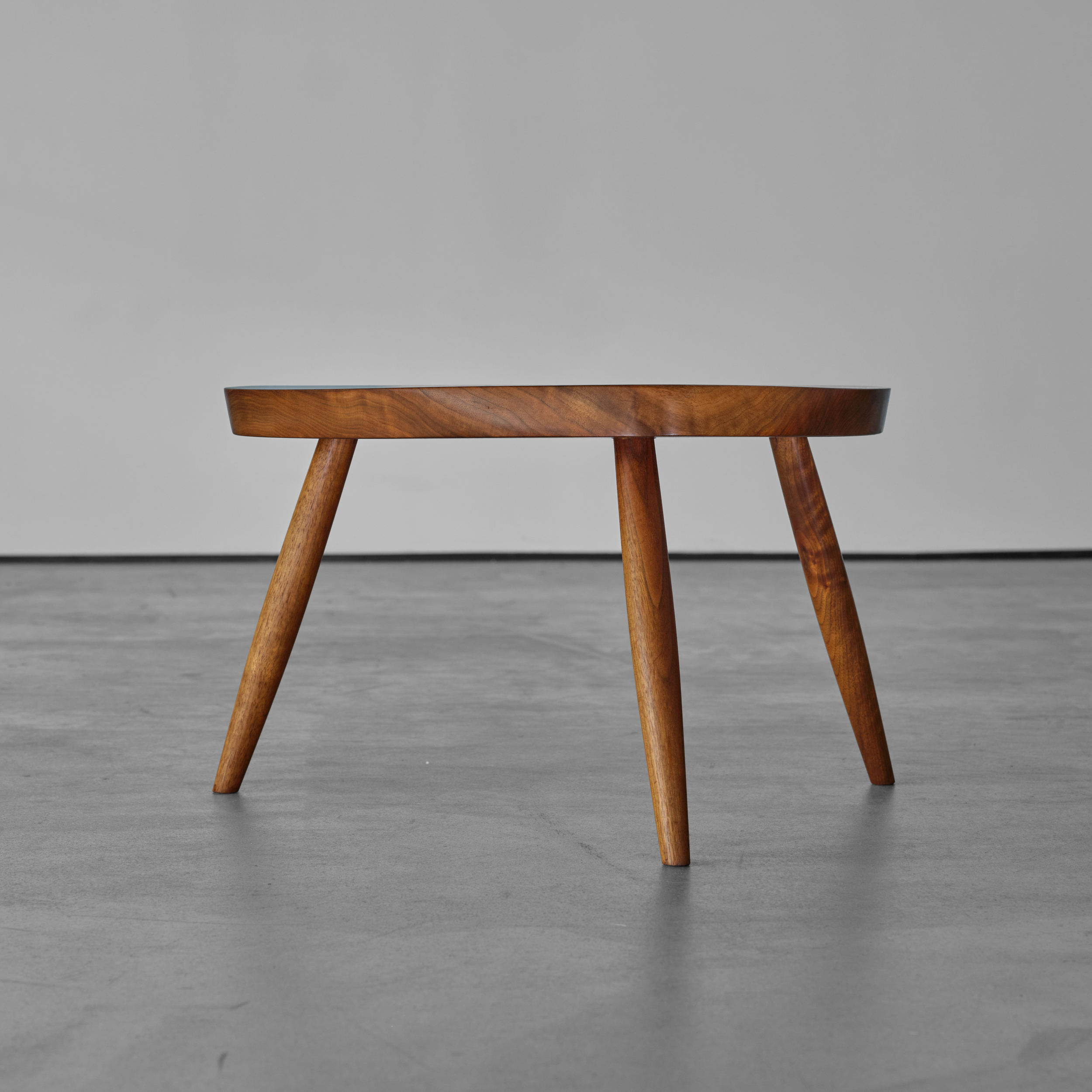
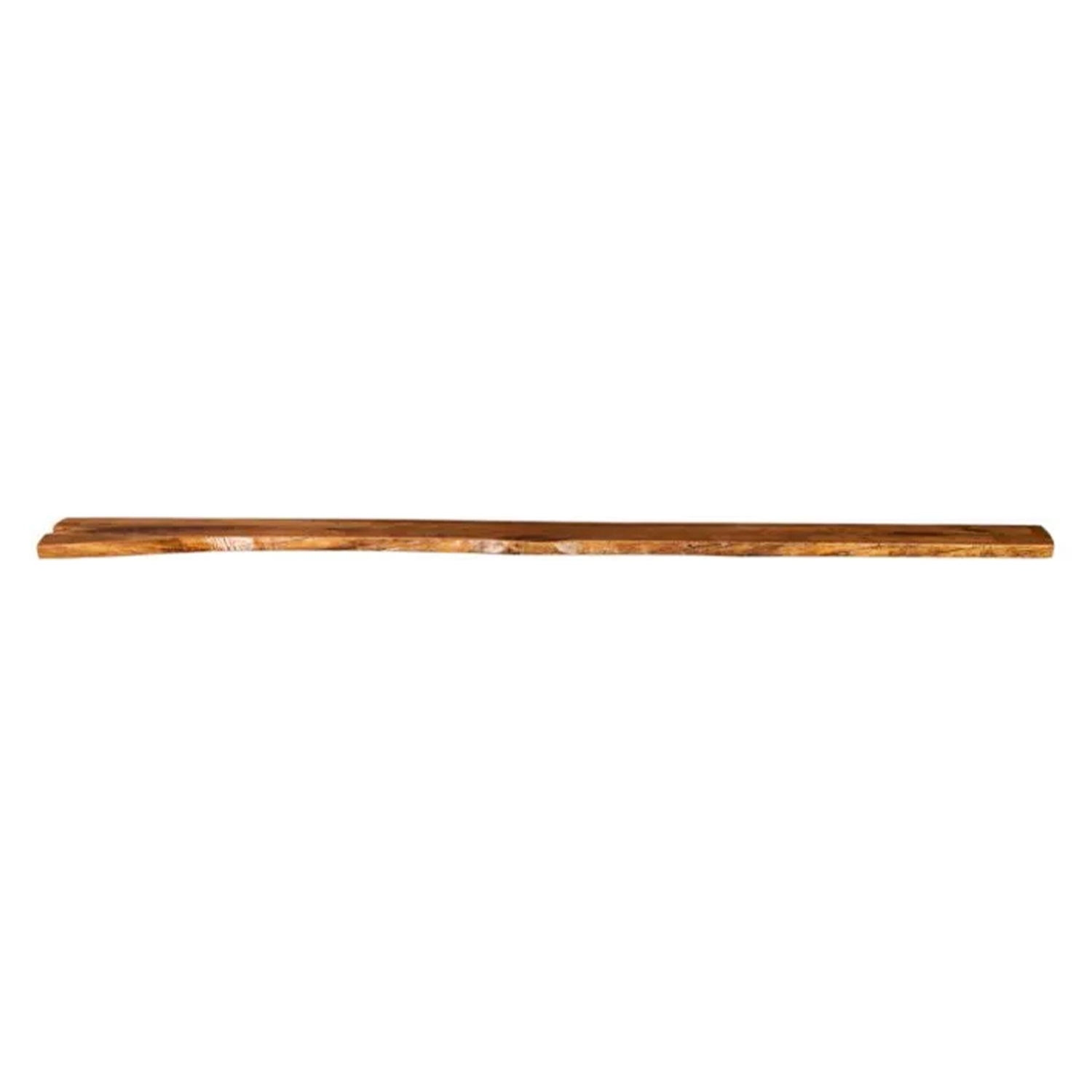
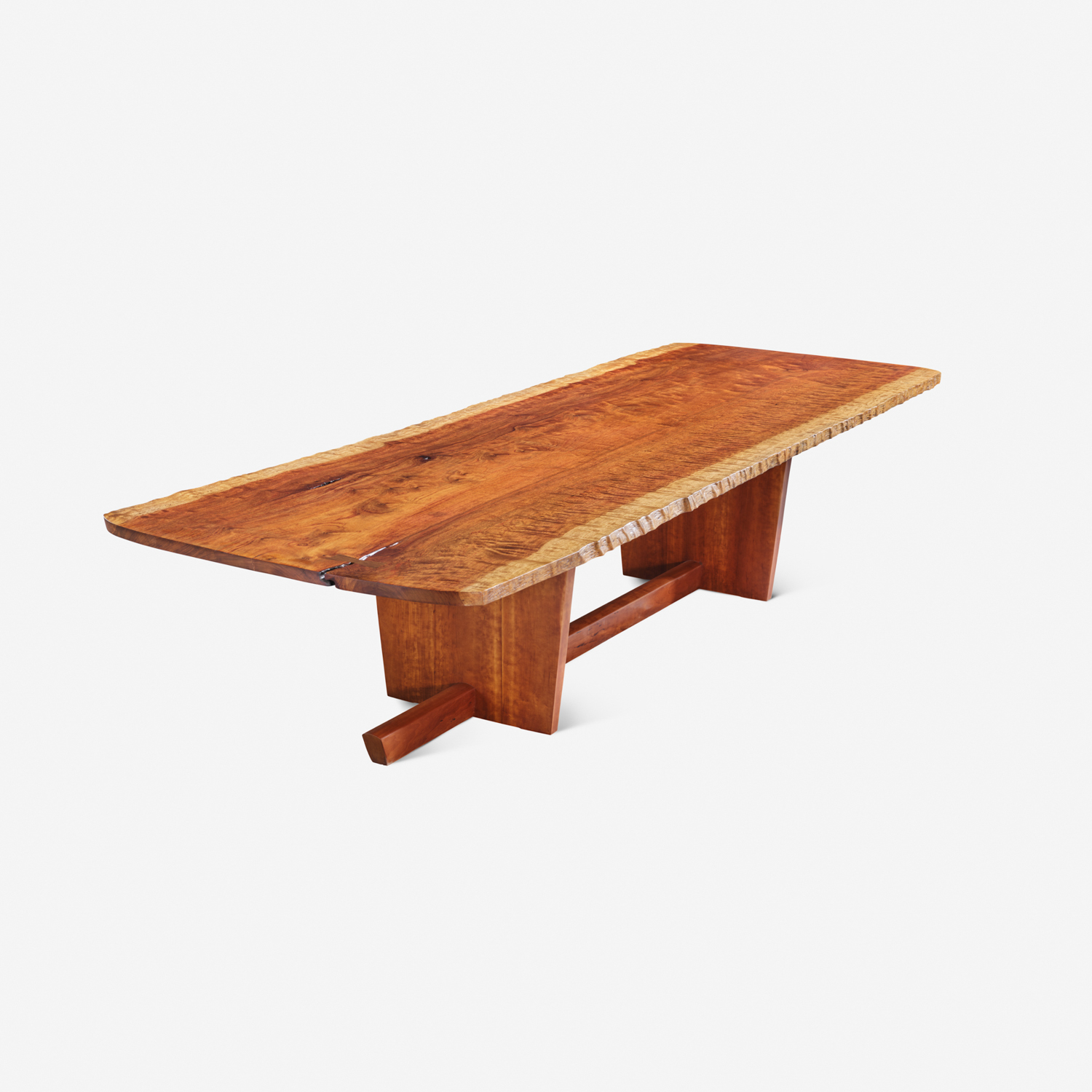
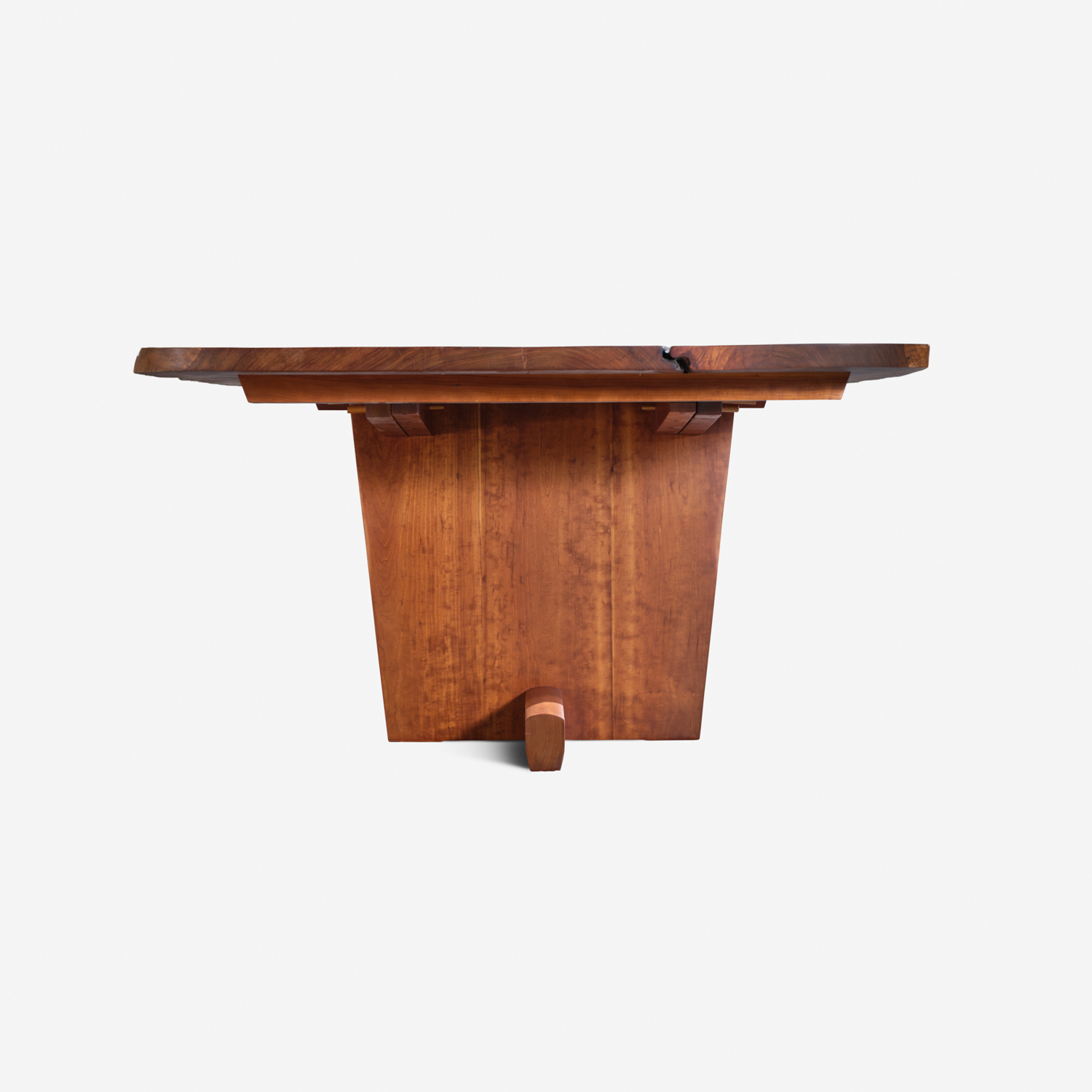
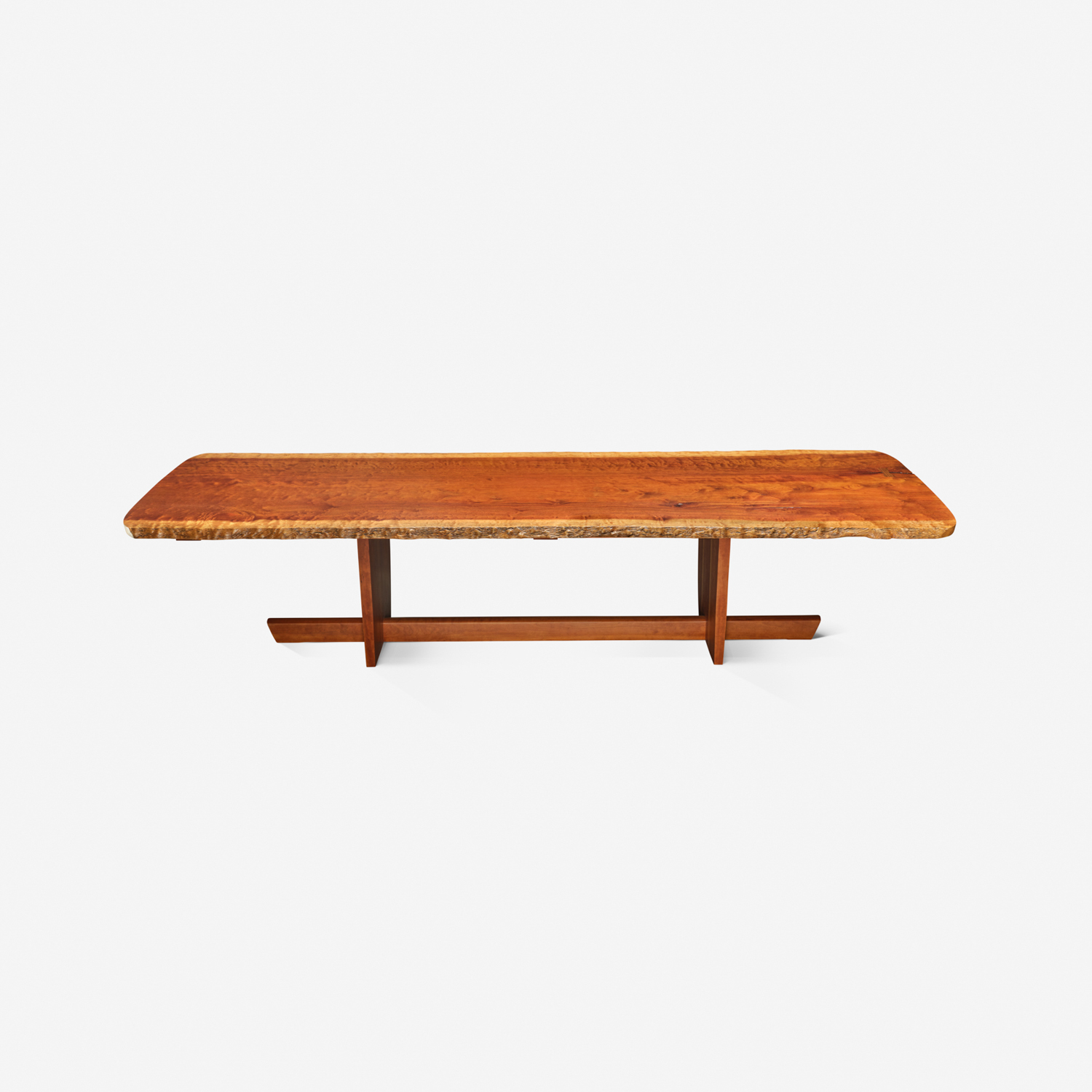
Minguren II Dining Table, 1995
Material: Bubinga
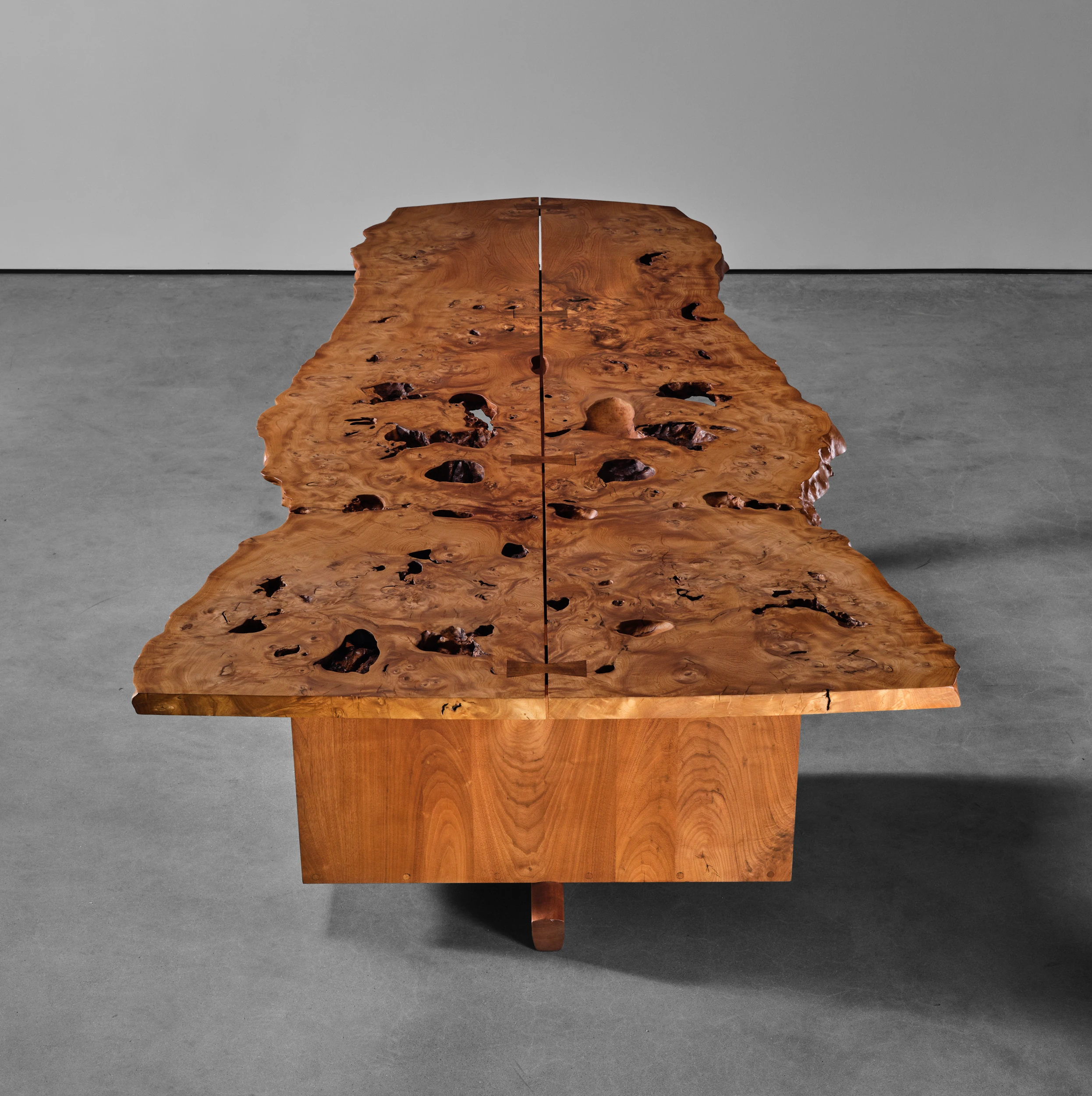
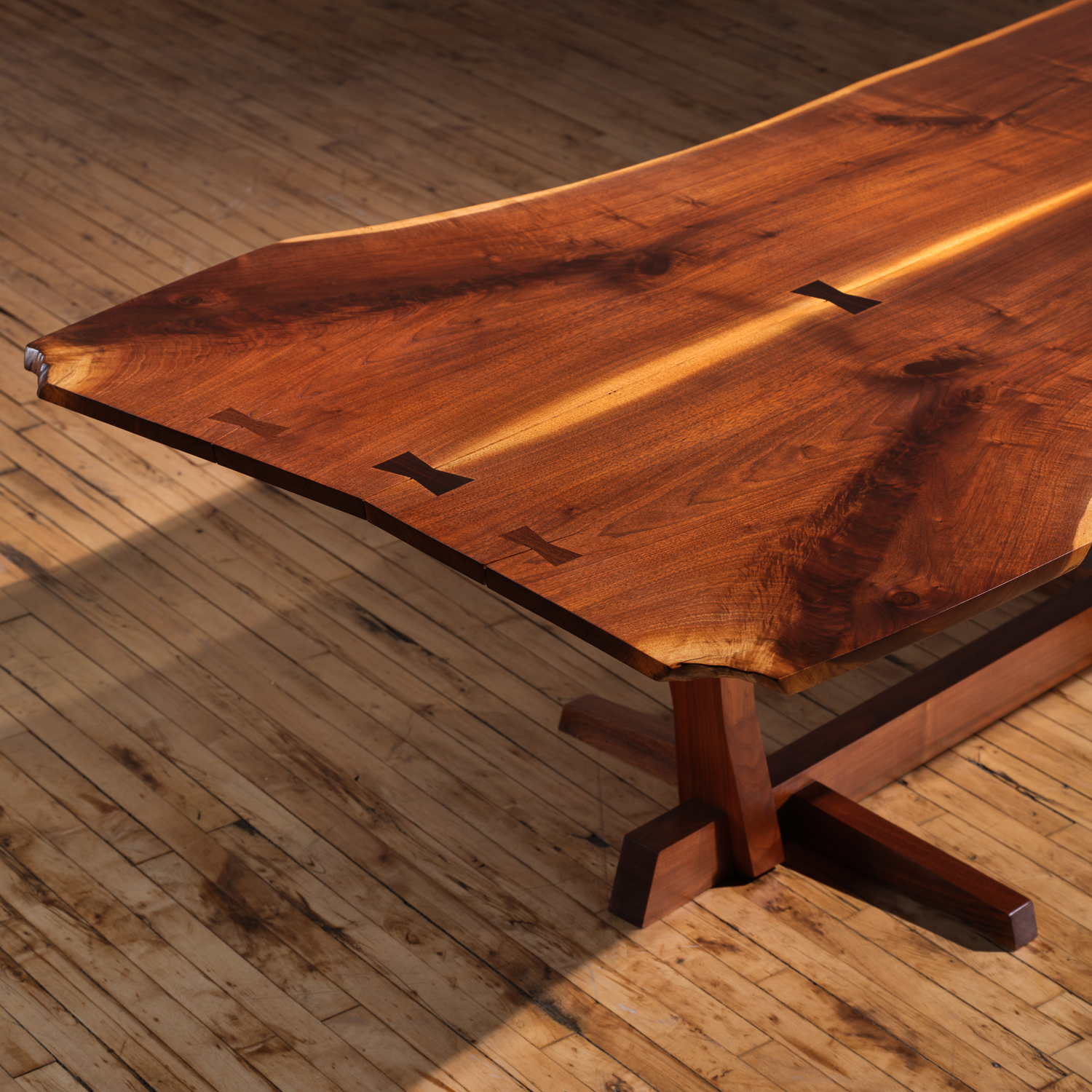
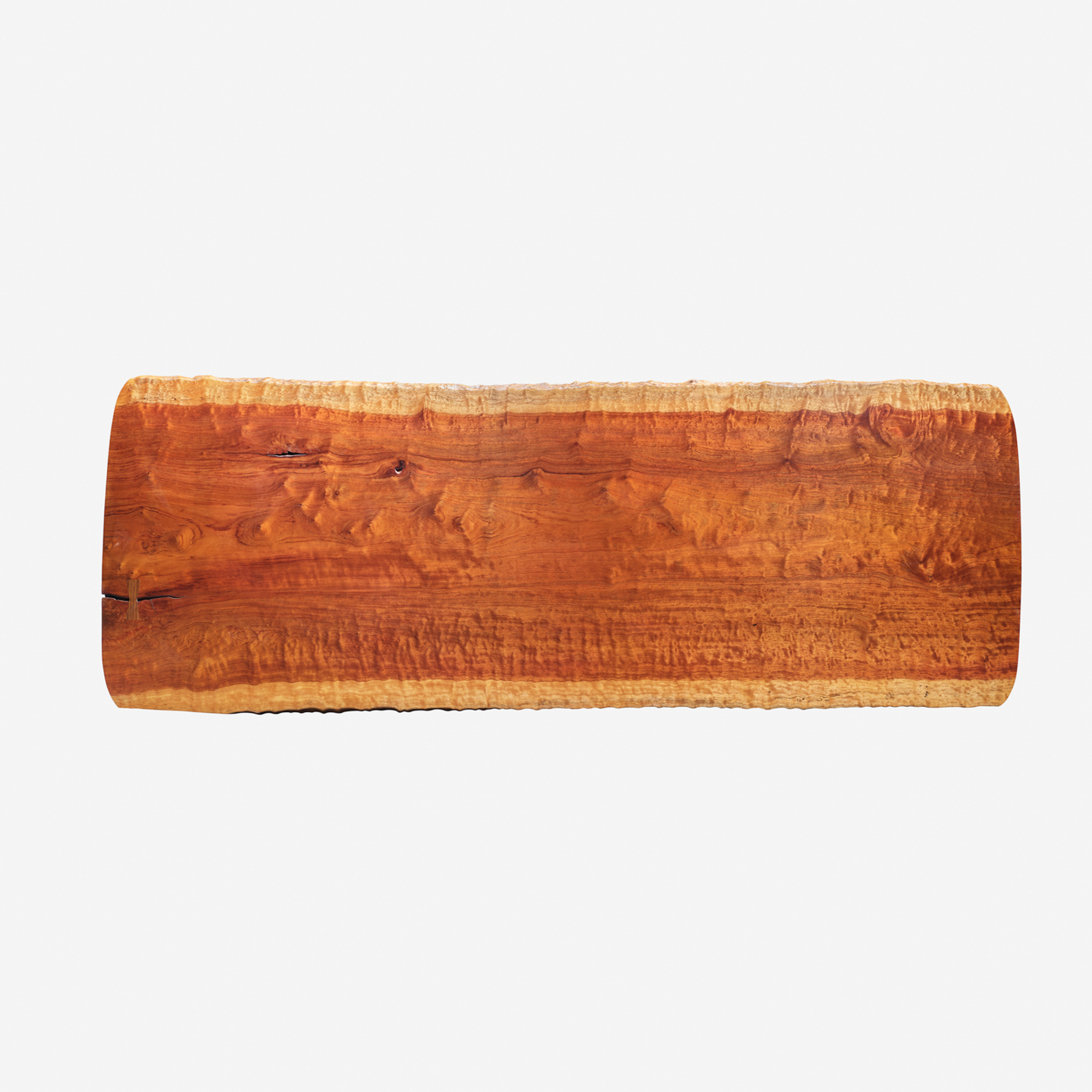
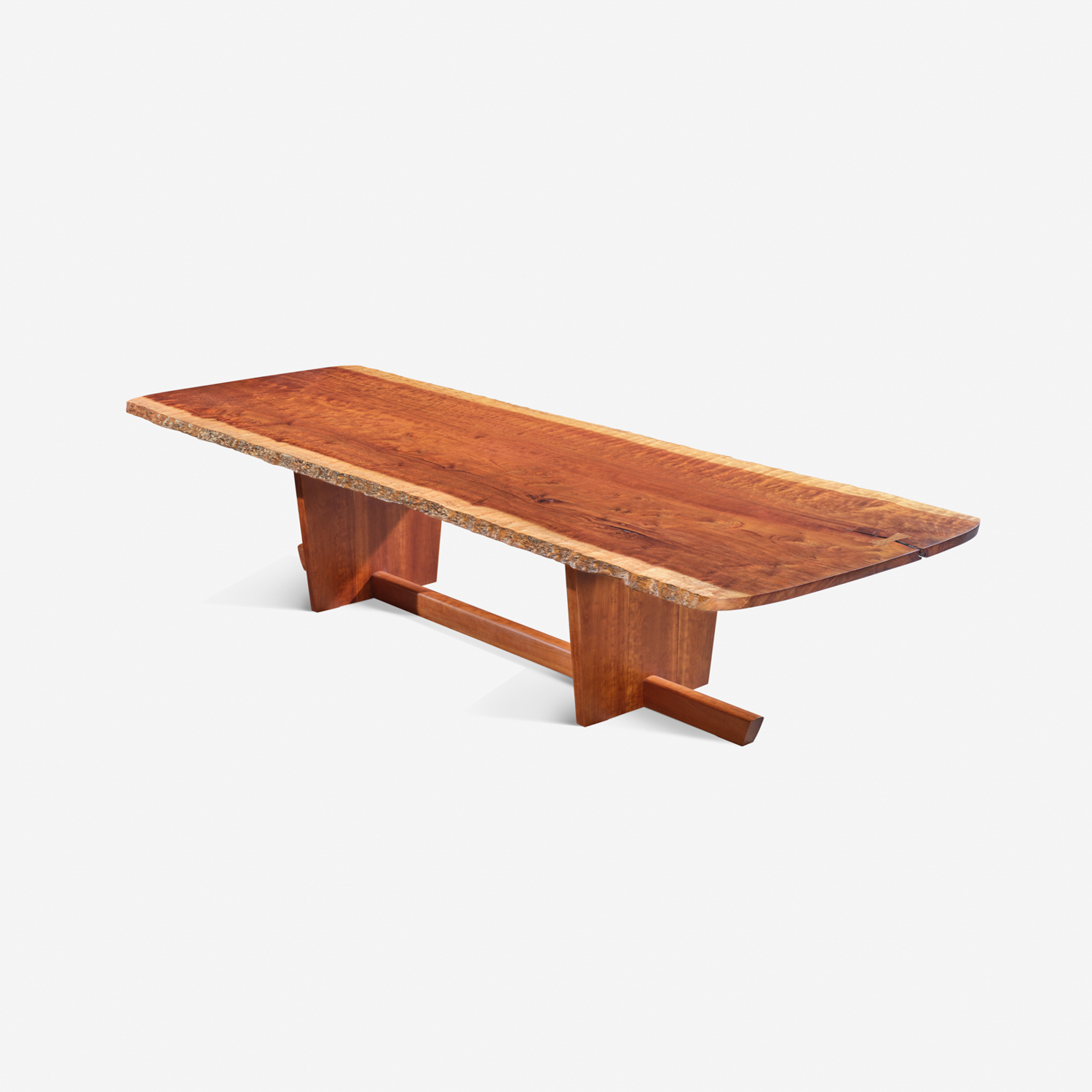
An exceptional 11ft single-board top and base made from Bubinga.
About this Minguren Dining Table
The Minguren II dining table is a distinguished piece that embodies the exceptional craftsmanship and design legacy of Mira Nakashima, daughter of the renowned woodworker George Nakashima.
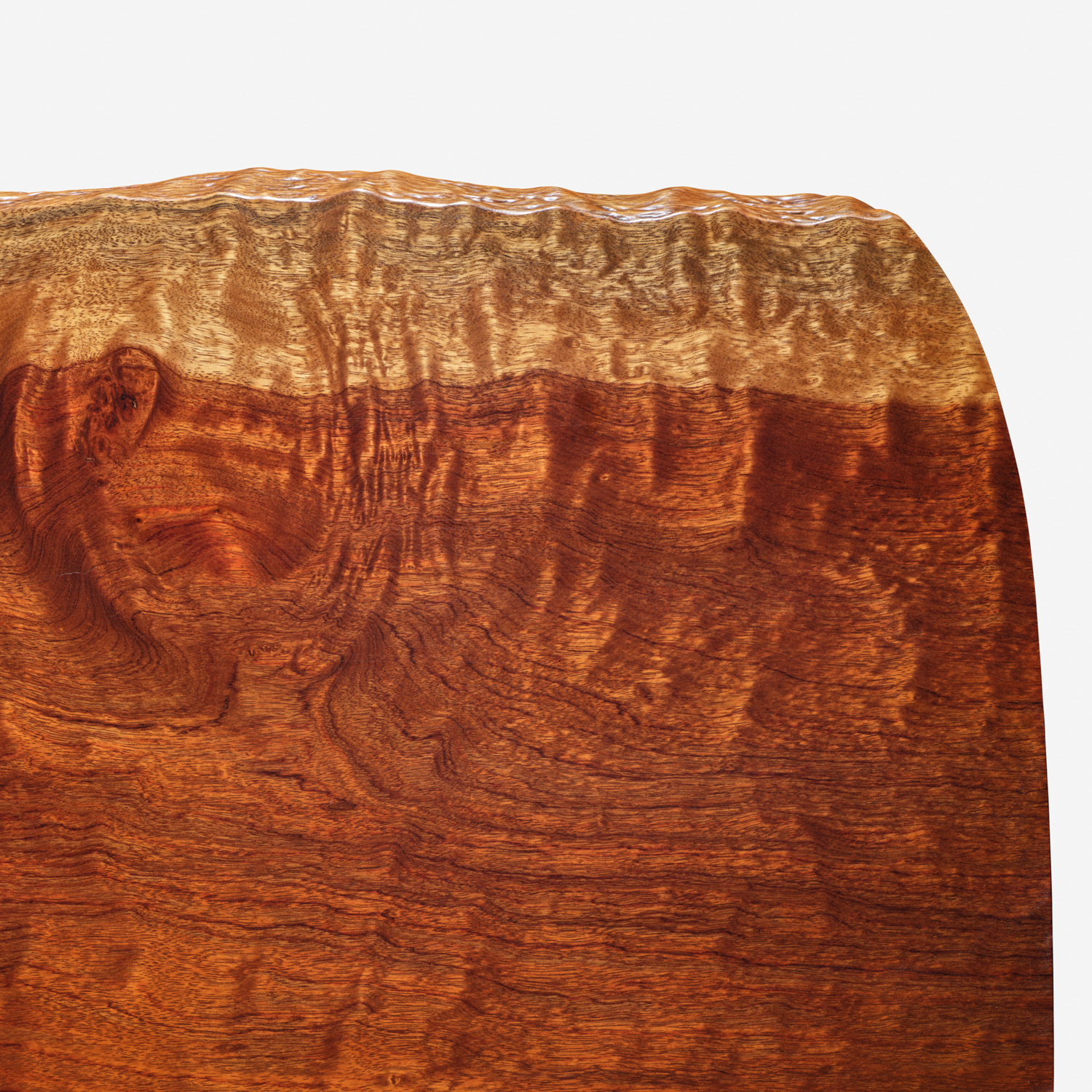
One of several pieces in the Minguren series, this dining table features a live edge and highlights the natural woodgrain of the material. In The Nakashima Process Book, Nakashima writes that “the culmination of much effort, a conscious simplification of design that allows the wood to tell its own story, modulated by an architect’s eye for proportions and structure.” Built for both functionality and a naturalist aesthetic, this dining table serves to represent the overall theory and process behind Nakashima’s body of work and the legacy of the Nakashima family’s shared vision and commitments.
Minguren Dining Table Design
This dining table has an extremely rare 11ft single-board top and base made from Bubinga, a beloved variety also known as African rosewood. African rosewood is considered a strong and solid wood with a wide variety of uses in traditional African craftsmanship, including the extraction of pigment to create wood stain.
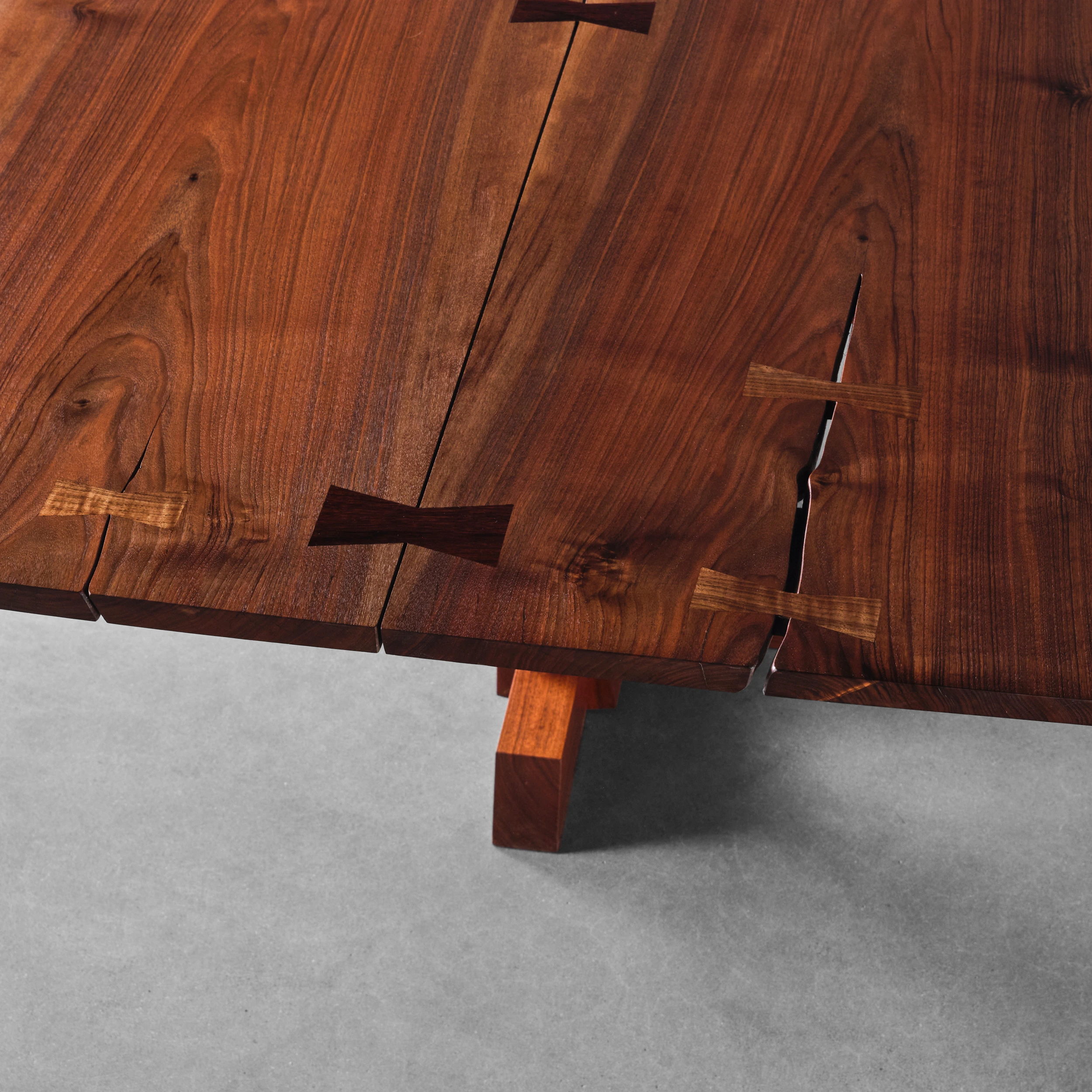
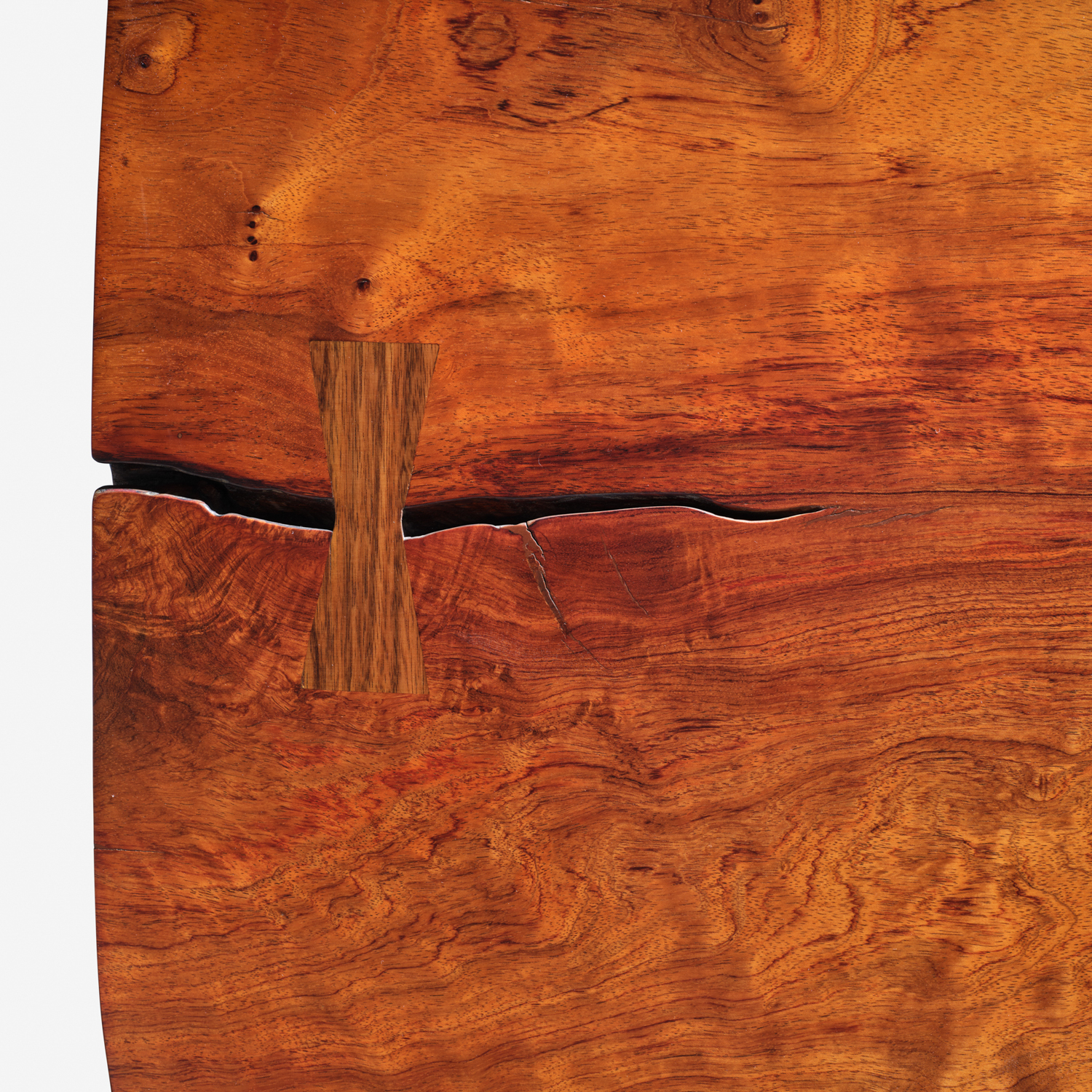
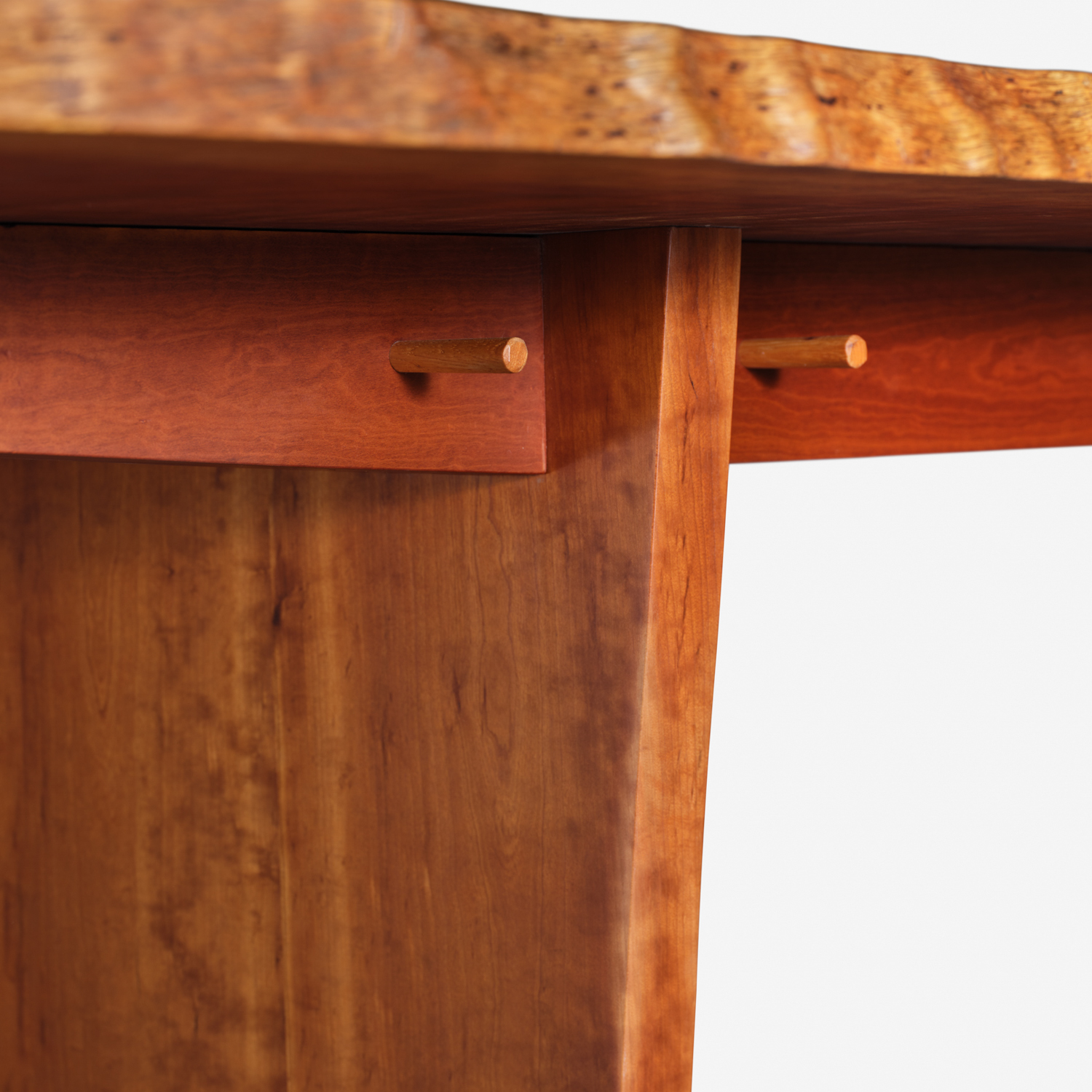
The table features traditional joinery techniques including butterfly joints that stabilize and adorn the surface.The butterfly joint is a staple in table design dating back to ancient times, but was popularized by George Nakashima in the 20th-century.
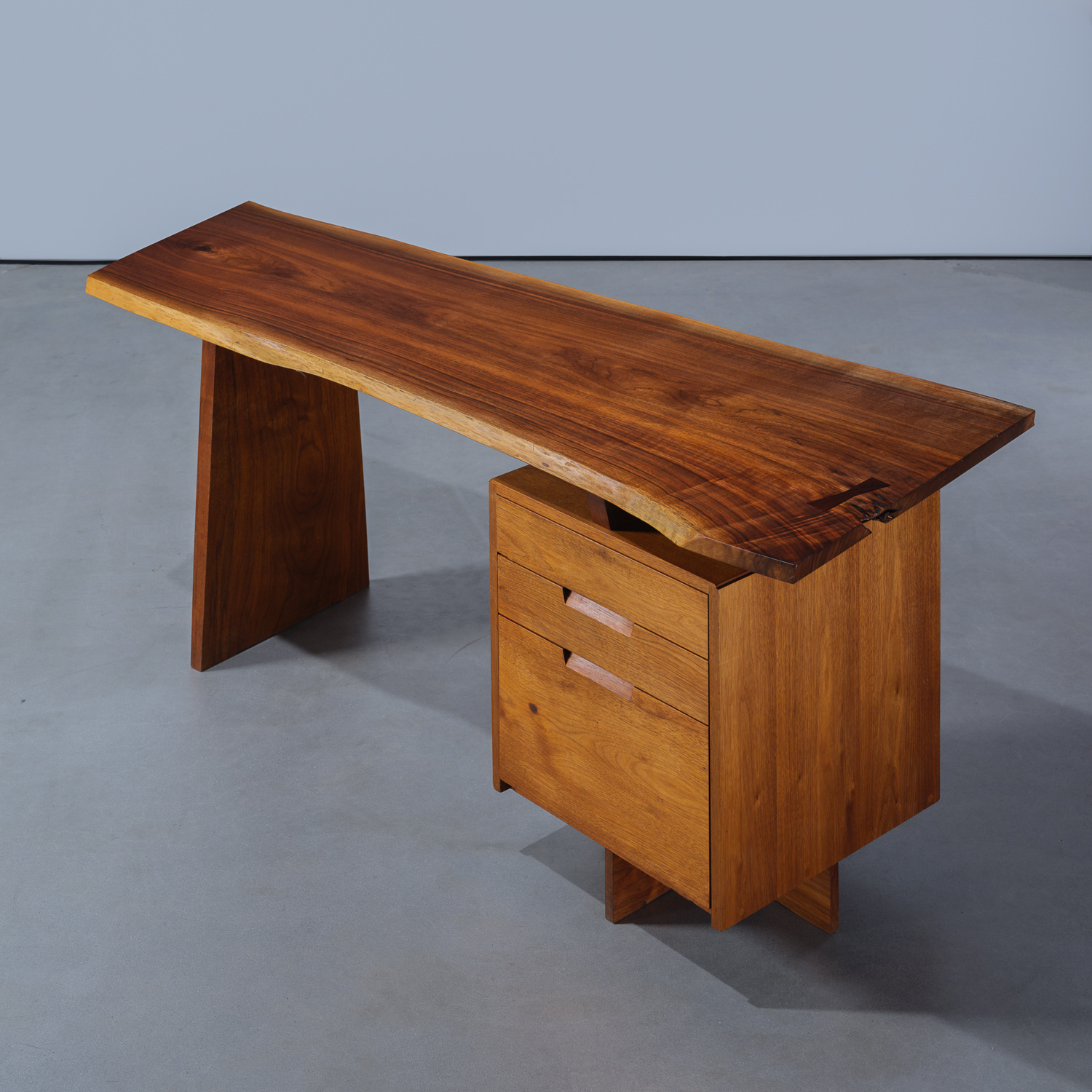
These joints are not only functional, preventing splits and cracks, but also serve as a decorative element. The live edges of the tabletop preserve the natural contours of the wood, a hallmark of Nakashima furniture and a defining factor in the continuing design ethos of George Nakashima Woodworkers.
What is the Minguren series?
The Minguren series was created to commemorate a number of shows in Japan first produced by an association of trusted designer-craftspeople in Japan. Minguren, or “People‘s Tool Guild,” was the brainchild of Japanese sculptor Masayuki Nagare, who sought out American and European designers willing to allow his group to manufacture their designs. George Nakashima would prove to be integral to this mission– it is said that after some hesitance on the part of the sculptor, he agreed to visit Nakashima in New Hope, where “Nagare and his team of masons—all neatly dressed in bright blue blazers—duly arrived, to be greeted with a barbecued steak dinner.” (Mira Nakashima, Nature Form & Spirit)
The series honors what would become a fruitful relationship between Nagare and Nakashima, who “joined the Minguren group in Shikoku, Japan, which led to the creation of ten one-man furniture shows in Tokyo and a lifelong relationship with Sakura Seisakusho, the only company in the world licensed to create Nakashima designs.” (CraftNowPhila) This piece was created by Mira Nakashima in New Hope, PA.
Mira Shizuko Nakashima was born in Seattle, Washington, incarcerated with her family at Minidoka on the Idaho Desert and moved to New Hope, Pennsylvania in 1943. She attended school in Bucks County, graduated cum laude from Harvard University in 1963, and received a Masters in Architecture from Waseda University, Tokyo, in 1966, where she married one of her classmates. The family then moved to Pittsburgh, Pennsylvania until 1970, when she returned to work as her father’s assistant until his death in 1990.
| Dimensions | 134 × 48 × 29.25 in |
|---|---|
| Artist | |
| Date | 1995 |
| Style |